




0808
Personal Philosophy: What is Your Truth & Stance for Living?
A long time ago, in a provincial town far, far away… There was a wealthy, cynical landowner named Fyodor Pavlovitch Kara [...]
Explore the insidious nature of playing favorites in leadership and learn how to combat this habit for a healthier workplace.
The practice of playing favorites is a phenomenon that perpetuates many workplaces. It is really unfortunate to know how often leaders and managers succumb to the temptation of favoritism. This insidious habit – if left untouched – will soon poison the well of teamwork, erode trust, and hinder organizational success.
Highlights
Playing favorites involves showing preferential treatment to certain individuals or groups – not based on their job performance, but rather due to extraneous factors such as membership in a favored group or personal likes and dislikes.
Within a workplace context, favoritism often occurs when someone in a position of power gravitates toward specific individuals or groups. The reasons for such behaviors may vary – including (but not limited to) exceptional performance, a personal rapport between the parties involved, or the employee’s ability to gain favor through other means.
The act of playing favorites manifests itself in several ways, ranging from granting certain privileges to providing special assignments or opportunities for growth. For instance, an employee who is favored by their manager might receive preferential treatment in terms of flexible working hours, access to resources, or participation in high-profile projects.
Another form of playing favorites is known as disparate treatment – which happens when individuals who are in similar roles/ possess similar qualifications are treated unequally based on the biases or preferences of those in positions of power. This type of favoritism not only undermines employee morale and engagement – but also raises concerns about potential discrimination and bias within the workplace.

Below are a few examples of favoritism in the workplace:
One clear indication of playing favorites is when the hiring process is marred by unfair treatment towards certain groups of people. This involves biased decision-making, nepotism, or the preference of personal connections over qualifications and skills.
When people are hired based on factors unrelated to their ability to perform the job, it undermines the meritocracy within the organization – as well as brings about a sense of injustice among others.
This occurs when those who are less deserving of advancement are favored over others who may be more qualified or have demonstrated greater competence. Favoritism in promotions often leads to a lack of upward mobility for deserving employees, erodes motivation and trust, and creates a perception of a biased work environment.
Leaders who fall prey to this bad habit may give excessive attention and support to certain employees – while neglecting or undervaluing others. This can include providing preferential treatment, mentoring, or guidance to favored individuals, leading to disparities in professional development opportunities.
Playing favorites often involves the application of double standards – in other words, different sets of rules or expectations are applied to favor certain individuals compared to others in similar roles or circumstances. Favored employees may receive more leniency for their mistakes or be exempted from certain policies, while others face stricter scrutiny or harsher consequences for similar actions.
In an environment where favoritism thrives, only the opinions and ideas of a select few may be given attention and consideration – even if others have valuable insights to share and contribute. This not only stifles creativity and innovation – but also alienates employees who feel their voices are not valued or heard.
When playing favorites, managers may have lower expectations for certain individuals while holding others to higher standards. Favored employees may be given lighter workloads, fewer deadlines, or lower performance expectations, while their peers are held to more rigorous standards.
Another glaring sign of favoritism is when there are disparities in pay rises and bonuses. Favored employees may receive larger salary increases or more substantial bonuses, even if their performance does not warrant such rewards. Unequal pay practices breed resentment, erode employee morale, and can lead to a loss of talent within the organization.
Understanding the underlying reasons behind a detrimental behavior is crucial in addressing and preventing it. While there may be various factors at play, the following reasons commonly contribute to the manifestation of playing favorites:
One of the primary causes of favoritism is when a manager has a relationship with an employee – which could stem from being relatives, pre-existing acquaintances, or developing a friendship after working together. When intimate connections exist between a supervisor and their favored employees, it often inadvertently leads to biased treatment, as it is a human tendency to naturally show preferential treatment towards those they have a personal rapport.
Favored people are often reliable, easy to manage, and consistently contribute positively to the organization. They might have demonstrated their ability to bring innovative solutions to problems, a strong work ethic, and a positive attitude that makes them pleasant to work with. As a result, leaders may unknowingly gravitate towards them, appreciating their reliability and the smooth working dynamics they bring.
Favoritism can also stem from employees who consistently perform at a high level and make significant contributions to the organization. Managers may naturally be inclined to favor such team members due to their exceptional skills, expertise, or the value they bring to the team.
Recognizing and rewarding high-performing employees is important; however, when it becomes exclusive and neglects others who are equally deserving, it creates a sense of unfairness and undermines team morale.
Those who share similar professional or personal characteristics with their supervisors may find themselves more likely to receive preferential treatment. This can range from having shared hobbies or interests to possessing similar communication styles or problem-solving approaches. The familiarity and compatibility foster a sense of rapport, leading to inadvertent favoritism.

Why do bosses pick favorites?
Playing favorites in the workplace carries significant risks that may bring about far-reaching negative consequences for both individuals and the organization as a whole:
When employees feel they are being treated unfairly due to favoritism, it often leads to a decline in job performance and low morale. The perception of biased treatment often demotivates people, resulting in decreased productivity and a lack of commitment to their work. As morale plummets, overall team dynamics and collaboration suffer, hindering organizational success.
Favoritism jeopardizes the trust employees have in their leaders and their teammates. When certain individuals/ groups receive preferential treatment, it breeds a sense of injustice and a divisive atmosphere. Employees who feel overlooked or undervalued may develop resentment towards their colleagues who are favored, leading to strained relationships and a breakdown in teamwork.
A toxic work environment rife with favoritism is among the main reasons that drive talented team members to seek opportunities elsewhere. When employees perceive a lack of fairness and equal opportunities for growth, they may disengage and become more likely to leave the organization in search of a more inclusive and supportive workplace.
Over time, high turnover rates result in increased recruitment and training costs – as well as disruption to the team’s cohesion and productivity.
Studies have shown that when leaders frequently engage in this practice, employee engagement decreases, and the likelihood of burnout increases. Favored employees may feel overburdened with responsibilities, while others feel undervalued and unappreciated. This imbalance not only hampers individual performance – but also affects the overall health of the organization.
Playing favorites undermines the core values of integrity, fairness, and equal opportunity within an organization. When biased treatment prevails, it results in a toxic culture characterized by mistrust instead of meritocracy and collaboration. Such an environment erodes employee morale and inhibits the organization’s ability to foster a high-performance culture.
When favoritism is prevalent, it fosters an atmosphere of resentment, competition, and conflict among employees. Those who feel excluded or treated unfairly may engage in destructive behaviors, such as sabotaging each other’s work, spreading rumors, or engaging in direct confrontations. These conflicts not only disrupt individual productivity – but also create a hostile and unproductive work environment.
(This section is compiled with inspiration from the Habit #14 section of the bestseller ‘What got you here won’t get you there‘ – written by world #1 executive coach, Dr. Marshall Goldsmith)
Although organizations and leaders claim to discourage sucking up and favoritism, these behaviors still persist in the workplace – which leaves us with a perplexing question:
If leaders are astute judges of character, why do they still fall for the skilled suck-up and play favorites?
The simple answer is that – we often fail to recognize our own behaviors.
It’s tempting to think, “Other leaders might encourage their subordinates to mute their criticisms and exaggerate their praise, but that doesn’t apply to me.” However, it’s important to challenge our own assumptions and consider if we might actually be in denial.
Dr. Marshall Goldsmith once conducted an insightful test with his clients to demonstrate how unwittingly we encourage the practice of playing favorites. He asked a group of leaders:
“How many of you own a dog that you love?”
The executives eagerly responded, expressing their affection for their faithful companions.
Then he posed a thought-provoking question:
“At home, who receives most of your unabashed affection: (a) your spouse or partner, (b) your children, or (c) your dog?”
Surprisingly, the majority admitted that their dog received the most attention.
Goldsmith delved deeper, asking if they loved their dogs more than their family members. The answer was a resounding no.
He then inquired, “So why does the dog get most of your attention?”
Their responses revealed a common theme: the dog is always happy to see them, never talks back, and provides unconditional love regardless of their actions. In other words, the dog is a master at sucking up.
Goldsmith admitted he himself also fell prey to this bad habit. He described how his dog, Beau, would enthusiastically greet him upon his return from trips. One day, his daughter humorously pointed out the parallel between his behavior and that of a suck-up by mimicking a dog’s bark. This served as a wake-up call.
If we aren’t careful, we may unintentionally treat people at work like dogs – rewarding those who shower us with unthinking admiration. In return, we foster a culture of suck-ups.
This behavior serves our own interests, but not necessarily those of the company. Furthermore, it disadvantages honest and principled employees who refuse to engage in such behavior. This is a double blow, as not only are we playing favorites – but we are favoring the wrong people.
To address this issue, leaders must first acknowledge that we all have a tendency to give preferential treatment to those who favor us. It is crucial to evaluate our direct reports based on three criteria: their level of affinity toward us, their contributions to the company and its customers, and the amount of recognition we give them.
The key question is whether recognition is primarily linked to personal likability rather than performance.
If we’re honest with ourselves, we may discover that our recognition is influenced by how much someone seems to like us rather than their actual performance.
This is the essence of playing favorites, and the responsibility lies with us. By encouraging behavior that we despise in others, we become hollow leaders basking in hollow praise.
Conducting this self-analysis doesn’t provide an immediate solution, but it brings awareness to the problem. Identifying the issue is the first step toward initiating change.
We can’t see in ourselves what we can see so clearly in others.
Marshall Goldsmith
When managers play favorites
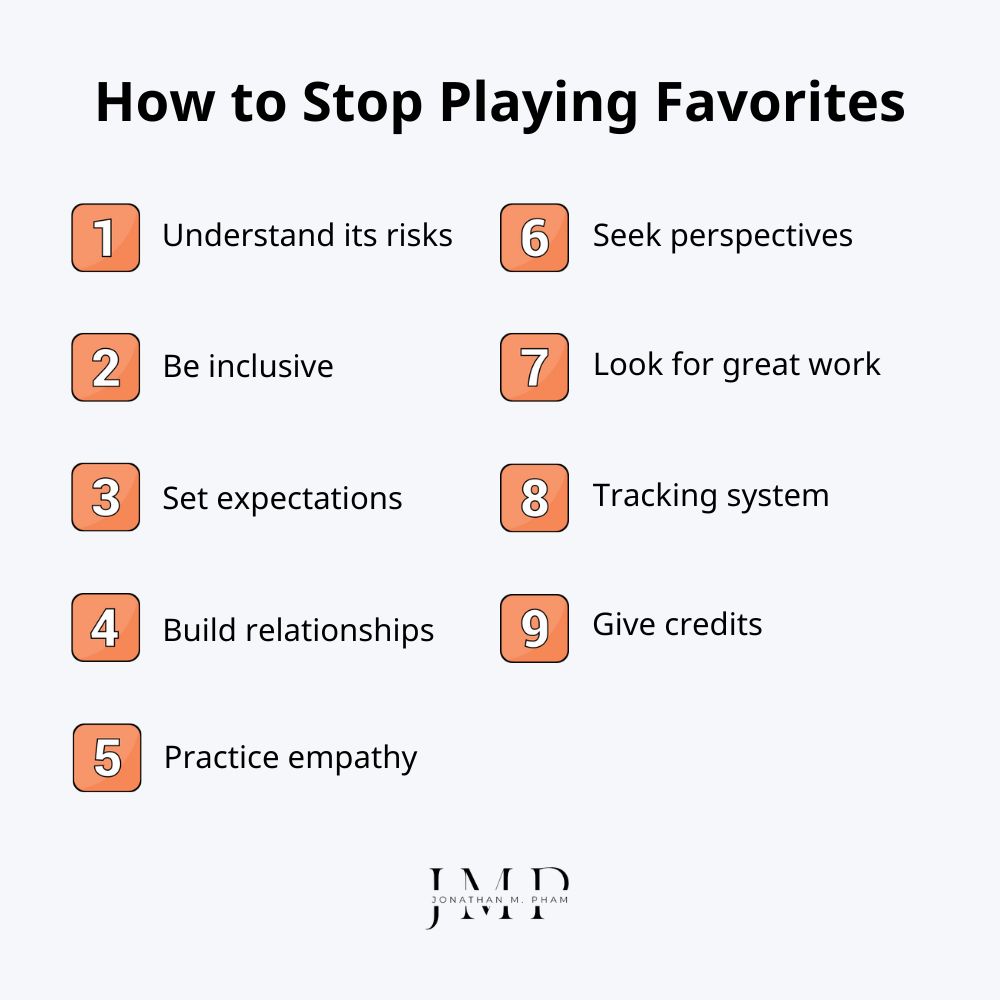
Putting an end to favoritism in the workplace requires a proactive and conscious effort. By implementing the following strategies, leaders should be better equipped to promote fairness, empower employees, and build up a more inclusive work environment:
The first step is to recognize and acknowledge the negative impact of favoritism on employee morale, productivity, and the overall organizational culture. As leaders, one must make sure to fully understand that fair treatment and equal opportunities are vital for fostering a healthy and thriving workplace.
Embrace diversity and inclusivity by actively seeking different perspectives and valuing the contributions of all employees. Encourage open dialogue, collaboration, and participation from everyone, irrespective of their background or personal connections.
To avoid many potential misperceptions, clearly communicate expectations and performance criteria to all employees. Ensure that each individual understands the standards they are expected to meet, allowing for equal evaluation and recognition based on objective criteria.
No matter how busy you are, make sure to take the time to build personal, intimate relationships with all employees, getting to know their strengths, aspirations, and challenges. Show genuine interest and provide support and guidance to help each person thrive in their role.
Empathy is at the core of effective leadership – one must be able to understand the unique needs and circumstances of their team members. Treat everyone with respect and fairness, considering their individual circumstances when making decisions or assigning tasks.
Read more: Platinum Rule vs Golden Rule – How the Principles of Empathy Have Shifted
If you are uncertain about your own biases or need an objective opinion, seek feedback from a trusted colleague or HR professional. For this purpose, an experienced coach may also help – aside from providing advice, they can act as your accountability partner to ensure that you always demonstrate the value of integrity in everything you do.
As leaders, your job is to actively observe and recognize outstanding work and accomplishments across the organization. Be attentive to the contributions of all employees – and provide timely and specific feedback/ recognition for their achievements.
A transparent and objective system for tracking and evaluating employee performance is highly recommended. This could involve setting goals, using performance metrics, or conducting regular performance reviews to assess each employee’s contributions.
Read more: Taking Credit for Others’ Work – A Detrimental Habit
Recognize and acknowledge the achievements and efforts of those who consistently perform well, even if they don’t go the extra mile. Ensure that recognition is given based on merit, fostering a culture of fairness and appreciation.
When giving credit, be specific about what the other party did well – and how it contributed to the organization’s success. This helps reinforce the connection between performance and recognition, as well as avoids ambiguity or misinterpretation.
On the other side, having a manager who plays favorites can be demoralizing and challenging. However, there are strategies you can employ to navigate this situation and maintain your professionalism:
Addressing favoritism in the workplace requires proactive measures at an organizational level. By implementing the following solutions, organizations may build up a fair and inclusive environment that discourages playing favorites and promotes equal opportunities for all members:
Anything that suggests the possibility of favoritism really begins to work against the public confidence.
Burt Greenwald
Playing favorites is one of the most damaging problems in any group of people.
Robert Whipple
Favoritism is an enemy of fairness, justice, and equity.
Unknown
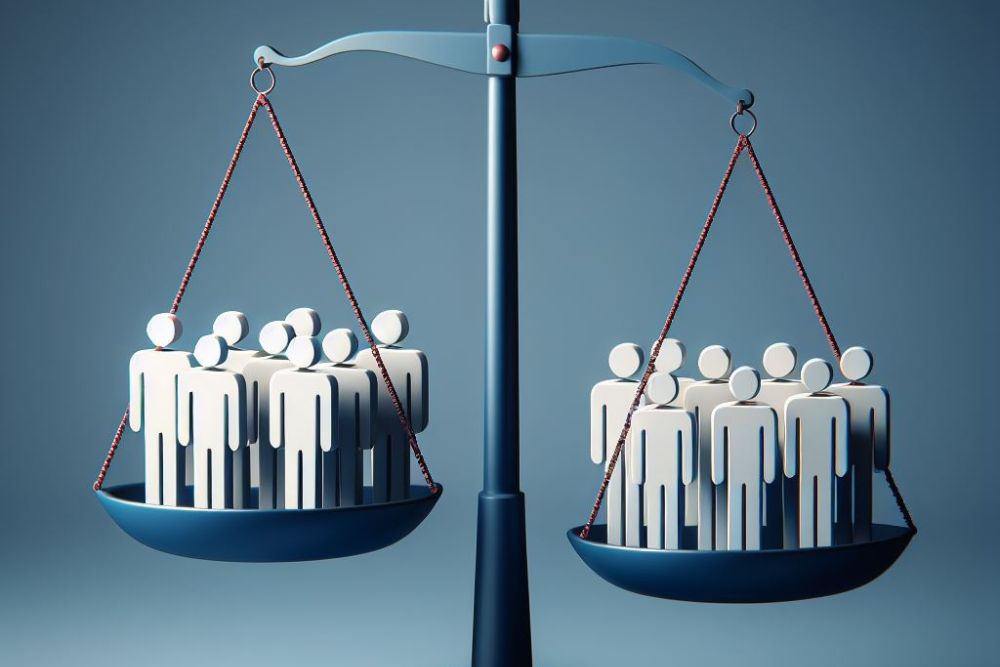
Playing favorites in the workplace is a damaging practice that undermines organizational integrity, employee morale, and productivity. By recognizing the signs, understanding the dangers, and implementing effective strategies, leaders and organizations can address favoritism head-on and create a fair and inclusive work environment.
Other resources you may be interested in:

A long time ago, in a provincial town far, far away… There was a wealthy, cynical landowner named Fyodor Pavlovitch Kara [...]

Let us visit a fictional place: The Village of the Valley. Once upon a time, those who lived there were divided into two [...]

Has this ever happened to you? Let’s say you are suffering from a frustrating health issue, or stuck in a chaotic life d [...]