




0808
Personal Philosophy: What is Your Truth & Stance for Living?
A long time ago, in a provincial town far, far away… There was a wealthy, cynical landowner named Fyodor Pavlovitch Kara [...]
Discover the 5 core dimensions of personality and how they influence one’s behavior, relationships, and career success. Learn practical tips for understanding and leveraging your behavioral style for personal and professional growth!
Have you ever wondered why you interact with others in a certain way? Or why do you gravitate towards specific tasks and environments? The answer might lie in your behavioral style. Our personalities are complex and multifaceted; however, they can be broken down into five core dimensions, which we will explore in this article.
Highlights
Behavioral styles are recurring patterns that reflect how we think, feel, and act. They’re like personality fingerprints that reveal how we interact with others, make decisions, and approach problem-solving.
From the bold and outgoing to the calm and collected, behavioral styles run the gamut. They’re the building blocks that shape our relationships and professional lives. By analyzing them, we can better interpret and predict how people might behave in different situations.

The most important single ingredient in the formula of success is knowing how to get along with people.
Theodore Roosevelt
Whether you tend to be direct and concise or empathetic and persuasive, self-awareness is key to understanding others. It enables you to adapt your communication approach to suit different styles (e.g. providing detailed explanations for steady individuals or concise facts for more conscientious ones), thereby improving collaboration effectiveness and reducing the risk of misunderstanding.
When we know someone’s behavioral style, we can better relate to their actions and motivations. For example, if a colleague is typically reserved and prefers to work independently, being aware of their introverted nature should prevent us from misinterpreting their quietness as disinterest or aloofness. On the other hand, if another team member is a “Driver,” known for their direct and assertive communication, we may anticipate that they like expressing their opinions forcefully; as a result, we no longer take their comments personally and are able to respond calmly.
Aside from fostering empathy, awareness of behavioral differences also aids in resolving conflicts, identifying triggers, and finding mutually agreeable solutions. For instance, knowing that a “Thinker” might prefer data and logic, while a “Relater” might value emotional connections, we can then approach discussions in a way that aligns with their preferences. Or, if a colleague is a “Dominator,” known for their competitive nature, we may choose to focus on shared goals and outcomes rather than trying to win.
Being aware of your own strengths, weaknesses, triggers, and blind spots lays the foundation for coming up with effective self-development and change management strategies. For example, let’s say you identify a lack of attention to detail as one of your shortcomings. Recognizing this, you may then take proactive steps to address the issue, such as taking notes, using checklists, scheduling frequent check-ins, and practicing mindfulness exercises.
Traditional thinking is often based on the assumption that people make decisions rationally, driven solely by facts and logic. However, it ignores the significant influence of emotions, biases, and cognitive limitations on human behavior. Overconfidence, for example, may prompt people to underestimate risks and overestimate their abilities, while confirmation bias may cause them to seek out information that confirms their existing beliefs and ignore evidence that contradicts them.
Behavioral science offers valuable insights into how people truly make decisions. By understanding these psychological factors, one may develop strategies that are more likely to achieve desired outcomes.
For example, let’s say a company wants to encourage its employees to adopt healthier lifestyles. A traditional approach might involve implementing a mandatory wellness program with strict rules and penalties for non-compliance, which will only lead to resentment and resistance from team members. Instead, a behavioral science-based approach might involve creating a “nudging” environment. For example, the company could place healthy snacks prominently in vending machines and cafeterias, offer incentives for participating in wellness activities such as free gym memberships, and nurture a culture of wellness by encouraging people to share their success stories and support each other.
Understanding the behavioral styles of team members enables leaders and organizations to tailor their approaches to accommodate each individual’s preferences (e.g. assigning detail-oriented tasks to Conscientious people, while providing clear goals for Dominant ones), thereby improving productivity and engagement. On the other hand, organizations that tailor customer experiences based on behavioral insights (e.g. enthusiastic greetings for Influence-oriented customers and data-driven recommendations for Conscientious ones) enjoy better satisfaction and loyalty as a result.
Over time, researchers have proposed numerous psychological models for interpreting behavioral styles. According to them, human behavior can be classified into a variety of types; examples include amiable, analytical, expressive, driver, decision-making, etc.
One of the most popular frameworks is the DISC model. Developed by psychologist William Moulton Marston, it categorizes human behavior into four distinct styles:
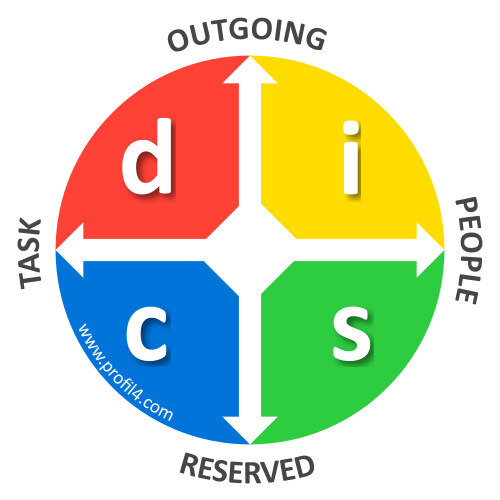
While the DISC model delineates distinct behavioral styles, it also acknowledges that people often exhibit a blend of the above-mentioned personalities. No single type is inherently superior to others; what matters is that we realize our dominant style and how we interact with others.
Beyond the DISC model, there are also many other popular personality frameworks:
Invented by Dr. Leonard Yong, the Leonard Personality Inventory (LPI) is a self-assessment tool that measures five dimensions of personality, which are said to influence one’s behavioral style and preferences.
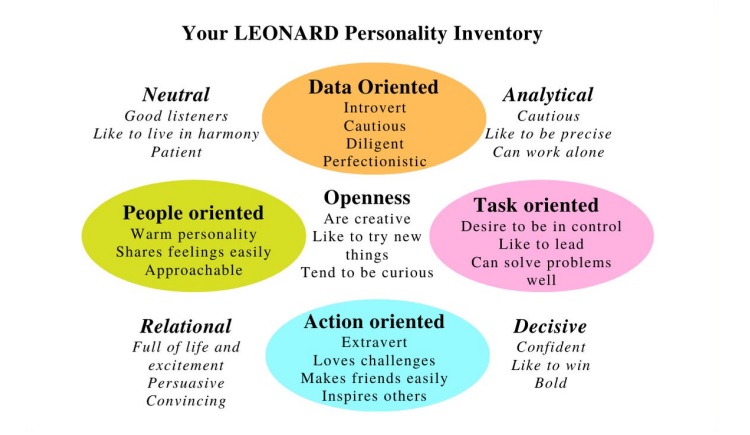
(Source: Leonard Personality Inventory Report)
Openness demonstrates one’s propensity for novelty and intellectual exploration. Those scoring high on this dimension typically exhibit traits such as independence, curiosity, and a penchant for abstract thinking. They tend to thrive on intellectual challenges, embrace novelty, and constantly seek new experiences/ ideas to stimulate their minds.
Behavioral tendencies:
Neutrality encompasses emotional resilience and composure in the face of adversity. Those who score high on Neutrality typically demonstrate even temper, adaptability, and the ability to maintain perspective amidst stressful situations. Their calm demeanor and flexibility enable them to navigate challenges with grace and objectivity.
Behavioral tendencies:
Analytical people tend to excel in logical reasoning and systematic problem-solving. They often exhibit traits such as methodical thinking and meticulous attention to detail. In addition, they tend to approach tasks with a systematic mindset, relying on facts and logical analysis to arrive at informed decisions.
Behavioral tendencies:
The Relational dimension reflects one’s aptitude for social interaction and relationship-building. Those who score high on Relationality are known for exhibiting empathy, compassion, and a genuine desire for connection with others. They excel in fostering strong interpersonal relationships, communicating, and cultivating a collaborative environment.
Behavioral tendencies:
Decisiveness is about assertiveness and confidence. Those scoring high on Decisiveness typically exhibit traits such as confidence, goal orientation, and a proactive approach to decision-making. They embrace challenges with vigor, taking initiative and demonstrating a willingness to assume responsibility for their actions.
Behavioral tendencies:
Just like the DISC framework, LPI acknowledges that most people exhibit a combination of personality dimensions instead of one single type. Specifically, they can be:
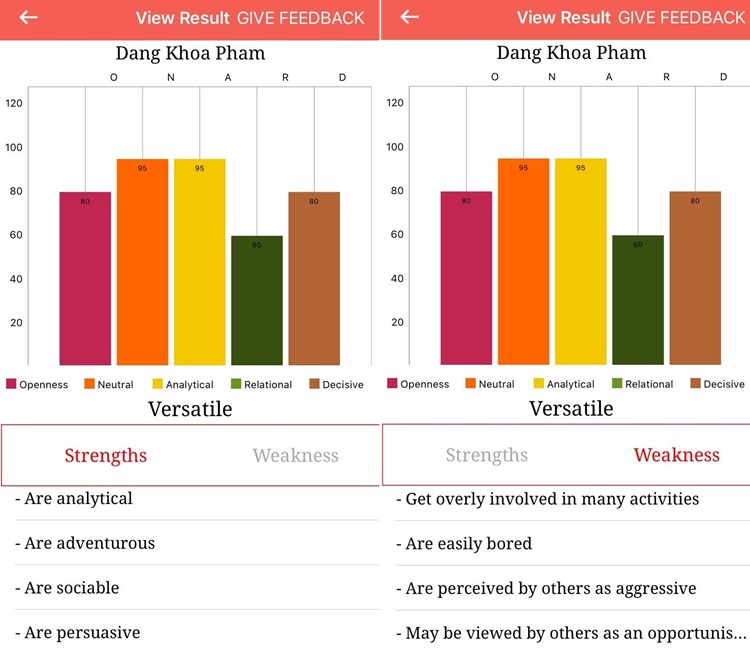
Sample of LPI Behavioral Styles Profile
The LPI framework serves as a valuable tool for self-awareness, career development, and team dynamics. By gaining insights into their behavioral dimensions, one becomes better equipped to enhance communication, cultivate stronger relationships, and align their actions with their personal and professional aspirations.
The most important thing in communication is to hear what isn’t being said.
Peter Drucker
Each style emanates from distinct internal drivers and values, dictating one’s aspirations and priorities. For instance, Decisive gravitates toward achievement and tangible results, whereas Relation values cooperation and interpersonal harmony. These intrinsic motivations steer our actions, including how we approach tasks, interactions, and decision-making.
Behavioral styles play a significant role in shaping one’s cognitive processing mechanisms – how we perceive, interpret, and assimilate information. For instance, while Analytical people may enjoy meticulously scrutinizing details and factual data, Relational ones might place a stronger emphasis on emotional cues and relational dynamics. These differing lenses through which information is filtered are what give rise to differences in perspectives, conclusions, and responses to situations.
A Decisive person may embody assertiveness and forthrightness, whereas a Neutral one may resort to diplomatic and indirect approaches. These divergent communication preferences not only define how we articulate our thoughts but also shape how we perceive and embrace others’ perspectives.
Our behavioral styles have a significant impact on our inclinations toward collaboration, leadership, and conflict resolution. A Relational person may be prone to fostering patience and cooperation within team settings, while a Decisive one may inherently assume leadership roles.
Each personality comes with its own set of cognitive biases, which shape one’s mental shortcuts and heuristic-driven decision-making processes. For instance, Decisive may prioritize efficiency and expediency, potentially leading to oversight of critical details. Conversely, Analytical may err on the side of caution and analytical deliberation, which results in exhaustive information gathering.
Behavioral styles modulate our emotional expression and regulation mechanisms – specifically, how we respond to stressors and challenges. An Open person may readily exhibit optimism and enthusiasm, while an Analytical one is likely to adopt a more reserved demeanor.
A Decisive individual is particularly sensitive to criticism and feedback; on the other hand, one who scores high on Openness may be more prone to upheaval in response to change or uncertainty. Recognizing these idiosyncratic triggers may empower us to navigate emotional landscapes with heightened self-awareness.
By discerning the nuances of their behavioral tendencies, one becomes better equipped to consciously modulate their actions to align with situational demands or overarching goals. For instance, an Analytical person may consciously aim to cultivate flexibility in social settings to enhance interpersonal engagement and rapport.
Read more: Emotional Intelligence (EQ) – Key to a More Abundant Life

Read more: Habits in Personality Development – A Comprehensive Guide
The key to successful leadership today is influence, not authority.
Ken Blanchard
Those in leadership roles typically exhibit differing behavioral patterns, which are influenced by their personality and experiences. Some of the most prominent styles include:
Each of the leadership styles above reflects a distinct approach to influencing others and asserting authority. In reality, most people exhibit a combination of power styles depending on the context and their goals. Understanding them and their associated strengths and weaknesses is crucial to becoming a more adaptable and effective leader.
The greatest ability in business is to get along with others and to influence their actions.
John Hancock
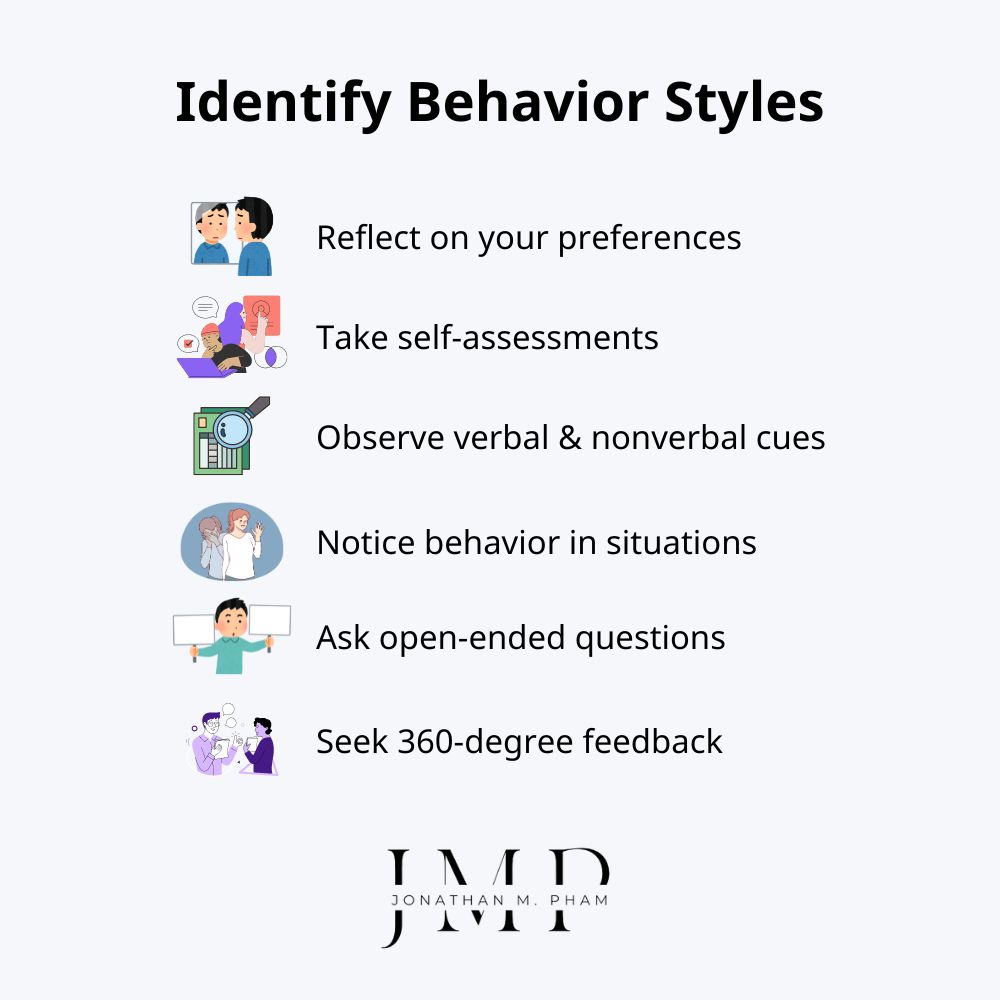
Take time to introspect and analyze your tendencies in resolving tasks, communicating with others, and making decisions. Consider whether you prioritize speed and results, value relationships and influence, seek harmony and cooperation, or focus on details and analysis. Reflect on past situations and your typical responses to them.
There are various online and offline tools designed to explore one’s dominant behavioral style. Validated ones like the DISC assessment or the Myers-Briggs Type Indicator (MBTI) provide in-depth analyses based on questionnaire responses and scoring models. As such, they offer valuable insights into your behavioral tendencies and preferences.
Pay close attention to people’s verbal and nonverbal cues. Notice their speech patterns, body language, facial expressions, and choice of words, and determine whether they convey assertiveness, persuasiveness, detail orientation, or precision.
Observe how individuals interact in various contexts such as meetings, presentations, or casual conversations. Assess whether their behavioral style adapts to the situation or remains relatively consistent. Notice whether they take charge, actively collaborate, or prefer to follow instructions.
Engage people in open-ended conversations about their work style, preferred communication methods, and decision-making approaches. Actively listen to their responses and observe their tone of voice for further insights into their behavioral tendencies.
Confidential input from colleagues, managers, and direct reports should significantly aid in identifying your dominant behavioral tendencies. That being said, this tactic requires trust and openness for optimal results.
Read more: Not Listening – The Silent Killer in Life
The only way to change someone’s mind is to connect with them from the heart.
Rasheed Ogunlaru
Change in behavioral styles is a dynamic process influenced by various factors:
Generally speaking, the process typically goes through the following phases:
Example:
A young professional named Alex works in a fast-paced corporate environment. His dominant behavioral style is direct and assertive, often leading to misunderstandings with colleagues who prefer a more collaborative and consensus-oriented approach. Alex is aware that his directness sometimes comes across as harsh or insensitive, and he wants to improve his relationships and build stronger connections with his team members.
External factors, such as recent conflicts and feedback from others, have also contributed to Alex’s desire to change his behavior. On the other hand, exposure to diverse perspectives and participation in training programs have enabled him to be aware of different behavioral styles and develop strategies for adapting his own.
To change his behavior, Alex starts by becoming more conscious of his dominant style and how it affects his interactions. Then, he learns about other styles, including their strengths and weaknesses. Next, he experiments with different behaviors in low-stakes situations.
Over time, Alex gradually incorporates more collaborative behaviors into his daily interactions. Eventually, he achieves a level of flexibility and control over his personality, adapting his approach to different situations and individuals.
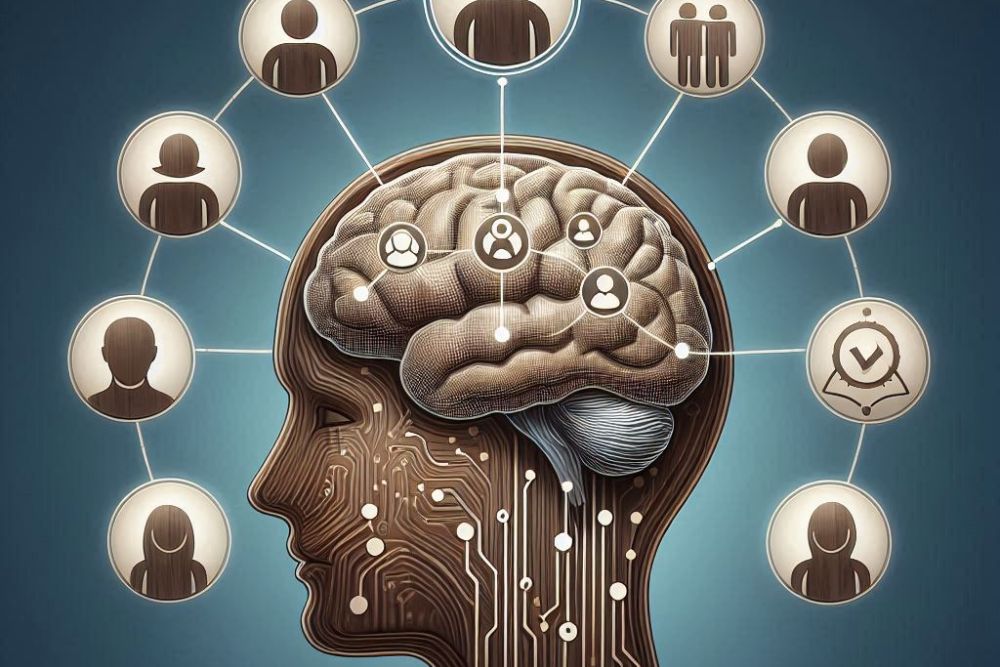
Communication:
Decision making:
Motivation:
Stress management:
There are no right or wrong answers to these questions; they just provide a starting point for self-reflection. The most important thing is to be authentic to yourself while engaging in self-questioning.
Read more: 200 Self-reflection Questions – Toolkit for Life Pilgrims
This book offers a practical framework for developing and applying behavioral science based on the DISC model. It covers topics such as recognizing, reading, and adjusting to different styles, finding common ground, avoiding conflicts, and relating more effectively in various situations.
Sullivan’s publication outlines the rules and best practices of business communication, with which one may better optimize their conversations with people of varying styles. It delves into topics such as structuring messages, using clear wording, incorporating body language consciously, giving and responding to feedback, and guiding meetings effectively.
This book emphasizes treating others the way they want to be treated, rather than imposing one’s own preferences. It introduces readers to four basic business personalities – Director, Socializer, Relater, and Thinker – offering insights similar to the DISC model but with different names and descriptions.
As we conclude our exploration, it’s important to remind ourselves that behavioral styles are not rigid categories – but rather flexible constructs that are subject to evolution over time. One may exhibit behaviors that deviate from their dominant style; hence, it’s essential to avoid stereotypes and view the above-mentioned classifications as tools for understanding rather than passing judgment. In addition, each personality comes with unique strengths and weaknesses; rather than trying to change people’s ways of doing things, we should cultivate an environment that celebrates diversity and respects each individual’s strengths.
The most basic of all human needs is the need to understand and be understood. The best way to understand people is to listen to them.
Ralph G. Nichols
Other resources you might be interested in:

A long time ago, in a provincial town far, far away… There was a wealthy, cynical landowner named Fyodor Pavlovitch Kara [...]

Let us visit a fictional place: The Village of the Valley. Once upon a time, those who lived there were divided into two [...]

Has this ever happened to you? Let’s say you are suffering from a frustrating health issue, or stuck in a chaotic life d [...]