

0808
Personal Philosophy: What is Your Truth & Stance for Living?
A long time ago, in a provincial town far, far away… There was a wealthy, cynical landowner named Fyodor Pavlovitch Kara [...]
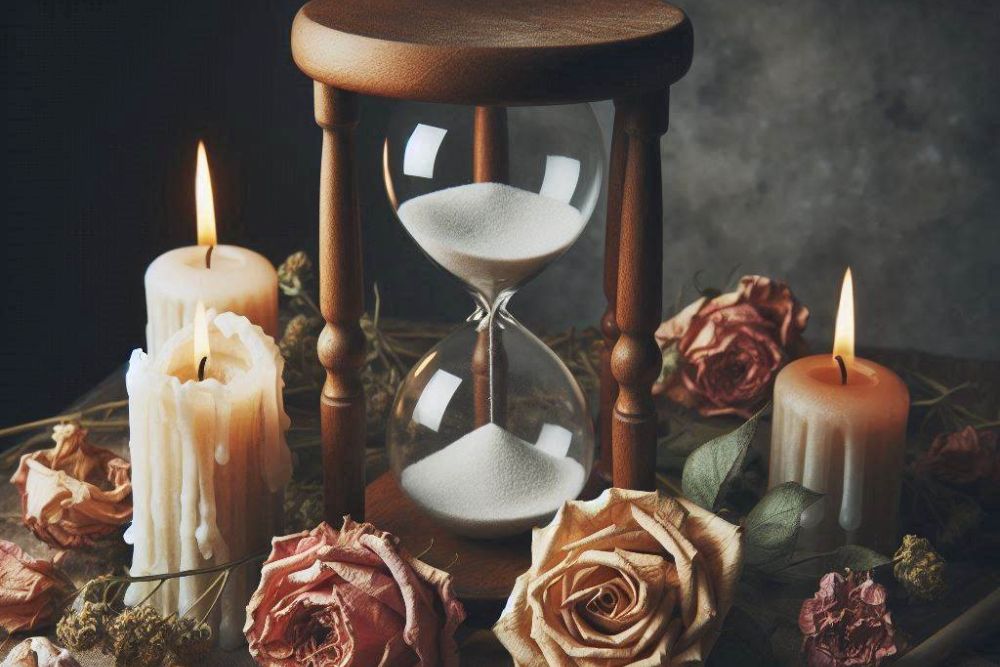
The ancient idea of “Memento Mori” is a powerful motivator to ditch distractions, live with purpose, and make the most of every day.
When I was working on my article about the 12 Stoic principles, I accidentally came across the term “Memento Mori” – which, after a little research, I found one of the cornerstones of Stoicism and other related philosophies/ spiritual traditions. Since then, it has constantly popped up in my mind, reminding me of the importance of living my life to its fullest (and of why I should stop indulging myself in distracting activities that do not bring me closer to “the light”). While the phrase might appear morbid to many people, I believe it doesn’t have to be that way – quite the opposite actually. Thanks to it, I have been given the reason and motivation to wake up every day – and to keep doing things that I have been doing (even though I cannot see their results immediately).
Highlights
Memento Mori (pronounced “mə-MEN-toh MOR-ee”, lit. “remember death”) is a Latin phrase that is often translated into English as “Remember you must die“. A powerful concept that has resonated throughout history – appearing in various philosophical and artistic traditions, it reminds us of the fragility of life and the importance of living each day to the fullest.
The phrase is typically associated with the Stoic philosophy, which emphasizes the importance of reflecting upon our inherent mortality as a means to cultivate inner peace and wisdom – and of living a virtuous life in accordance with reason and nature. Stoics believed that death was not something to be feared, but rather an inevitable part of life. As such, we need to live each day to the fullest and not waste time on things that are not important.
Sometimes, it is used as part of other phrases such as “Memento mori, Memento vivere” (meaning “Remember to die, Remember to live”), “Memento mori, Carpe diem” (“Remember you will die; Seize the day”), and “Memento mori, Amor Fati” (“Remember you will die; Love your fate”).
The one aim of those who practice philosophy in the proper manner is to practice for dying and death.
Socrates
The origin of the term Memento Mori is often attributed to the statement above of Socrates – who believed that the role of philosophy is to encourage people to contemplate life and death. Additionally, its roots can also be traced to the ancient Roman practice of reminding victorious generals of their fleeting mortality during triumphant parades. Specifically, during their triumphant parade, one would be accompanied by a slave who would whisper to him:
Respice post te! Hominem te esse memento! Memento mori!
(Look behind! Remember thou art mortal human! Remember you must die!)
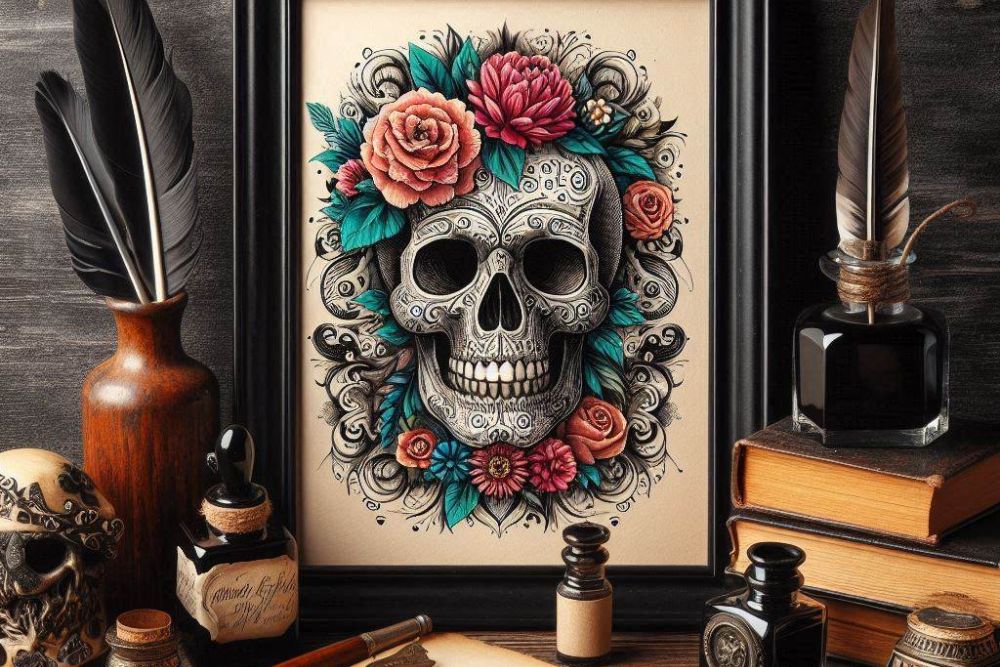
Later, the concept was promoted by Stoic philosophers like Seneca and Epictetus, who embraced it as a tool for living a virtuous life in the face of inevitable death.
Keep death and exile before your eyes each day, along with everything that seems terrible. By doing so, you’ll never have a base thought nor will you have excessive desire.
Epictetus
Over time, Memento Mori transcended its philosophical origins and became a prominent theme in various settings. Many religious architecture and scriptures (particularly those of Christianity) depicted the concept to encourage contemplation on mortality and the afterlife. Likewise, medieval literature often reflected on the fleeting nature of existence, while artists incorporated evocative symbols into their creations (paintings, sculptures, and even jewelry) to remind viewers of life’s impermanence:
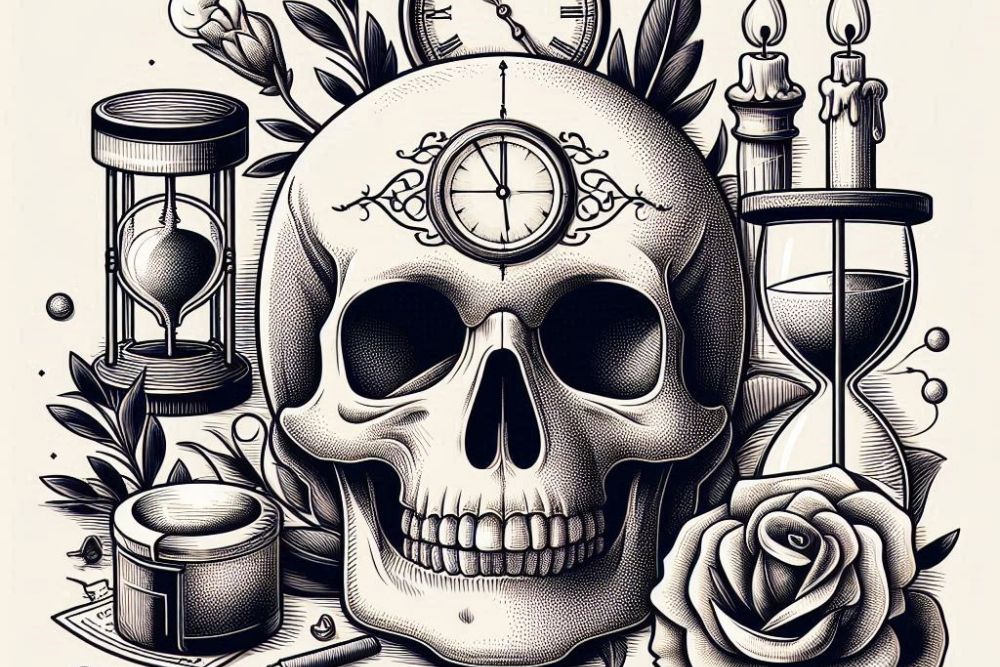
Memento Mori symbol examples
Certain historical events further solidified the phrase’s cultural significance. For instance, the devastating Bubonic Plague brought death to the forefront of people’s minds, leading to a surge in Memento Mori art and literature. An example is the emergence of the “Dance of Death” (Danse Macabre) artistic genre, which vividly illustrated death’s universality – regardless of one’s social status. The message embedded in these creations was simple: no matter who you are – farmer, priest, king, beggar, etc., nobody can escape death.
It doesn’t matter how much wealth/ fame/ success/ achievements you have accumulated in life. In the end, everyone’s fate is the same: in the grave.
During the Medieval period, funeral practices often incorporated “Memento Mori” symbols and messages (e.g. inscriptions on gravestones) to promote reflection on life’s impermanence and the inevitability of the end.
Moving to the 16th century, the emergence of the Vanitas art genre marked another milestone. Paintings typically showcased objects representing the impermanence of earthly pleasures – so that viewers might have a chance to confront their own fragility and the futility of material possessions.
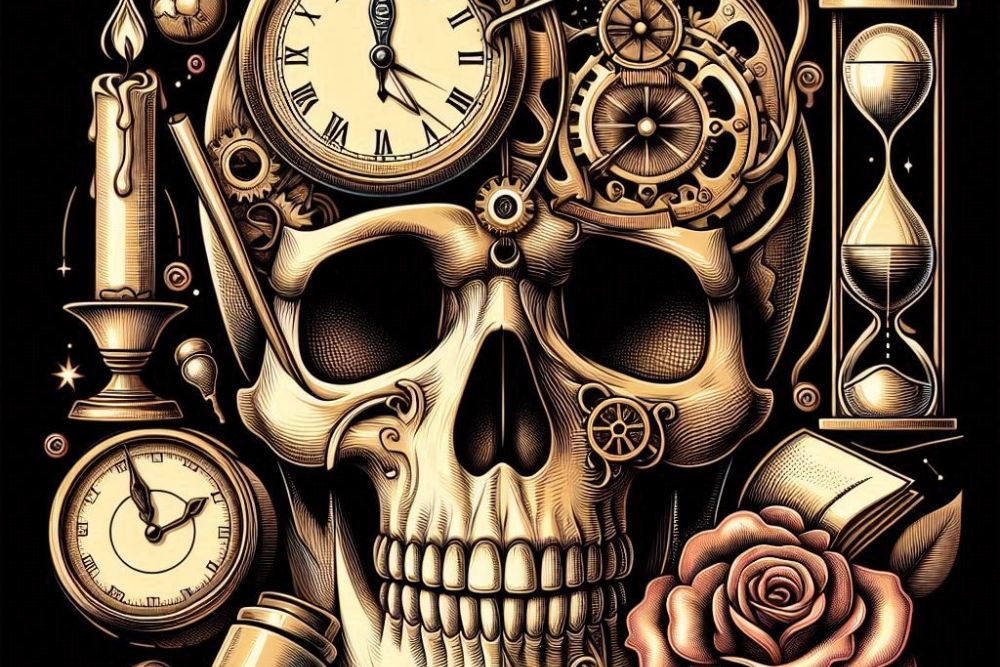
In today’s fast-paced world, the term “Memento Mori” has not lost its appeal (if not more relevant than ever). It finds its way into modern culture, personal philosophies, and art forms. From the symbolic embrace of skulls in fashion to its use as a motivational tool for mindful living, the concept serves as a powerful reminder of life’s fleeting nature – and why we need to make the most out of our time. In fact, successful figures like Steve Jobs have attributed their achievements to keeping their mortality in mind – that achievement and fulfillment matter more than just accumulating possessions or chasing fleeting pleasures.
Remembering that I’ll be dead soon is the most important tool I’ve ever encountered to help me make the big choices in life.
Steve Jobs

Inscription above the entrance of Capela dos Ossos (Portugal): “Our bones that are here await yours”
Of all mindfulness meditation, that on death is supreme.
Buddha
The phrase “Memento Mori”, while seemingly unique, shares striking similarities with various concepts and traditions across different cultures:
The core similarity across these concepts and traditions is the contemplation of mortality and its use as a tool for self-reflection, ethical living, and appreciating the present moment.
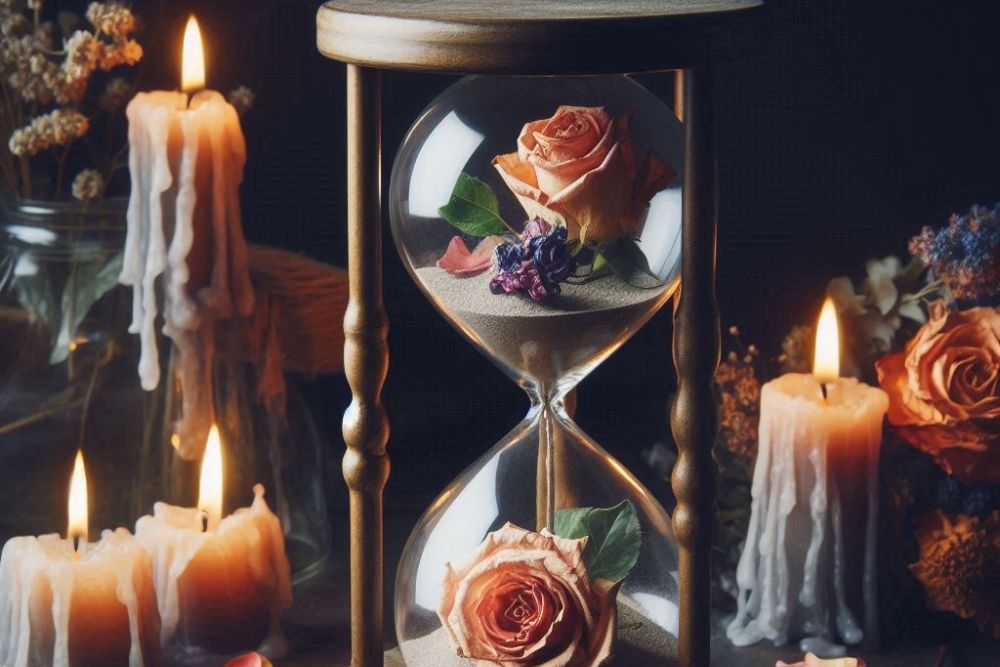
We are so consumed with wanting this or that or are wanting to solve the problems that we fail to see Life’s impermanence.
AVIS Viswanathan
In a world that’s become demonstrably safer and more comfortable, it’s easy for many of us to fall into the illusion of permanence and take life for granted. Despite its universality, death is something we often avoid discussing – either out of discomfort or the belief that we still have plenty of time on earth.
And yet, is that true?
Despite our assumptions, death may come much earlier than we expect. Sometimes, we may think that we are sure to die – and yet still manage to come out on top later.
That said, the experience alone should be enough to remind us of life’s unpredictability. Of our inevitable end.
Here, I would like to share with you my personal anecdote – about the last time when I was so close to death. For some reason, I am still able to recount it so vividly as of now.
It was around 9:15-9:30 PM on Sunday, 31 October 2022. I was returning home via Grab. We were already at the entrance of the alley that leads to my house.
My bike driver, I assumed, was a little careless and ignorant. He accidentally passed by the alley’s entrance – and I reminded him of that.
He immediately turned around, fast, without looking back to see if there was anyone behind.
And he had not finished turning yet – when another driver from behind pumped right into us and sent us (almost) flying.
Everything happened so quickly. It was merely a few seconds, and yet it was one of the most terrifying moments in my life (up to now).
Never had I been that close to death. Never had I felt that I no longer had control over anything.
Fortunately, I managed to get away from the accident with only one broken little toe.
As time went by, I started forgetting about the incident. That is – until I came across the term “Memento Mori” two months ago.
At that moment, I realized how ignorant I had been. I should have been much more humble and purposeful following the accident. I should have internalized how lucky I had been. That my life was spared for a reason I don’t know.
I assume maybe part of my ignorance stems from the fact that I, luckily, have not directly witnessed the deaths of many loved ones. Up to now, most of my relatives have not passed away yet – except for my uncle and grandfather.
The death of my uncle (who, regretfully, committed suicide by self-immolation due to distress) has caused me a little bit of trauma upon hearing about it. Still, I was not there to witness the incident (nor to directly participate in his funeral) – so I guess the impression was not quite moving enough. When I saw his suicide note later, I did feel a sense of unease creeping into my mind – but only for a moment though.
For my grandfather, he had been disabled years before his death. So when the time came, everyone was already expecting it. Even though I did see his corpse with my own eyes, bowed before his coffin, and joined his funeral later, I did not quite feel it (though still somehow humbled).
Recalling these moments – when I was exposed to the inevitability of death – makes me realize how relevant the phrase “Memento Mori” is. It reminds me of the impermanence and unpredictability of life – as well as why I should strive to make the most of the precious time I have.
Think about recent crises like the Covid-19 pandemic. In many ways, our modern world tends to push death aside. Medical advancements and a focus on longevity have seemingly created an illusion that we’ll all live forever. Ironically, the pandemic completely shattered that illusion.
The virus had no discrimination. Everyone was subject to being infected. Millions of lives were lost – and all governments/ scientists in the world couldn’t do anything about it.
Thousands of businesses were closed, and many went bankrupt with no hope of revival. Societal structures were seriously threatened.
What a contrast to our often sanitized view of mortality!
Vanity of vanities; all is vanity.
Ecclesiastes 1:2
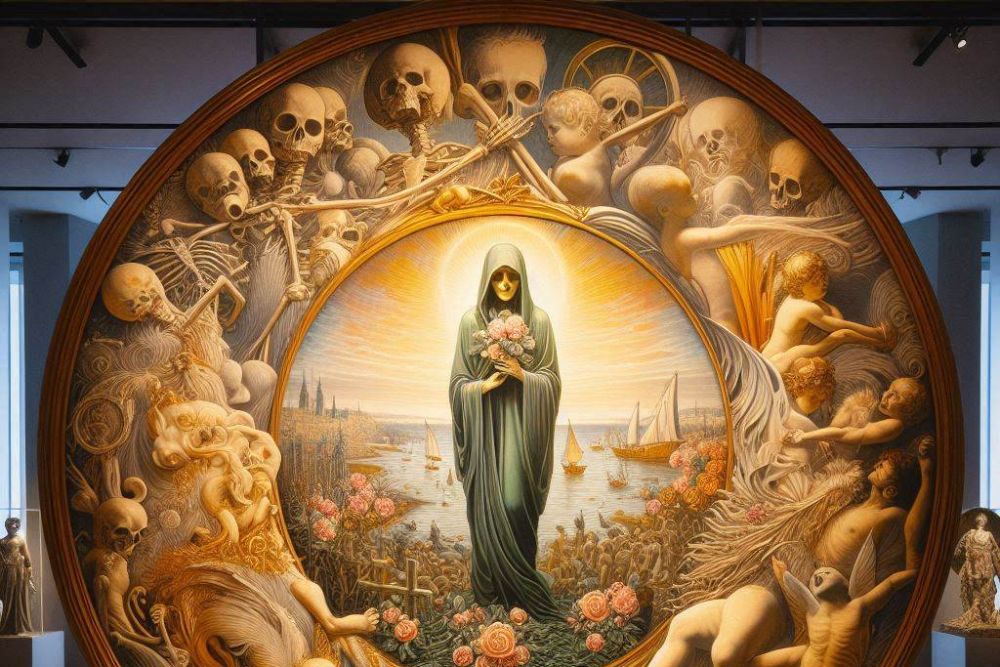
Even though the pandemic has receded – and life has come back to normal, we are not to forget the message it has left behind.
That we are fragile mortals and not masters of this world.
That one day, all of us will die.
And that we need to make the most of the precious time we have in this world.
You may not wake up tomorrow… You may not sleep again.
Seneca
Analysis of death is not for the sake of becoming fearful – but to appreciate this precious lifetime.
Dalai Lama
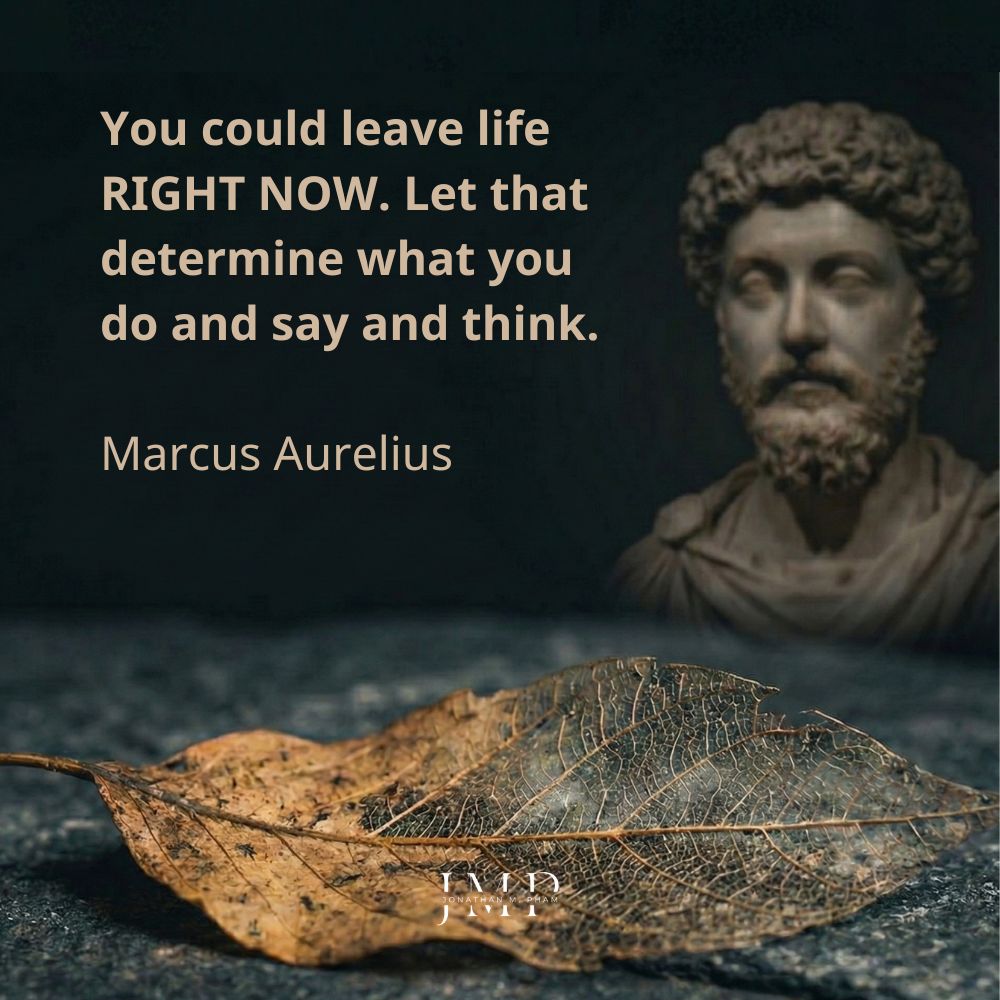
You could leave life right now. Let that determine what you do and say and think.
Marcus Aurelius
After all, to the well-organised mind, death is but the next great adventure.
J. K. Rowling
Memento Mori isn’t necessarily about embracing death itself – but rather using the awareness of our mortality as a tool for a richer life. After all, we will all die – and what happens after death is not something we can control. Hence, there’s no point worrying about it.
From a religious/ spiritual perspective, death is not the end, but the beginning. Our consciousness will linger in a variety of possible ways – paradise, limbo, reincarnation, etc., you name it.
From a completely secular perspective, since we cease to exist after death, there’s no consciousness to experience the fear itself.
So whether you profess any faith or not, we all boil down to the same conclusion:
There’s no need to be afraid of death.
Indeed, this fundamental truth has long been captured in Socrates’ quote as follows:
The fear of death is indeed the pretense of wisdom, and not real wisdom, being a pretense of knowing the unknown; and no one knows whether death, which men in their fear apprehend to be the greatest evil, may not be the greatest good.
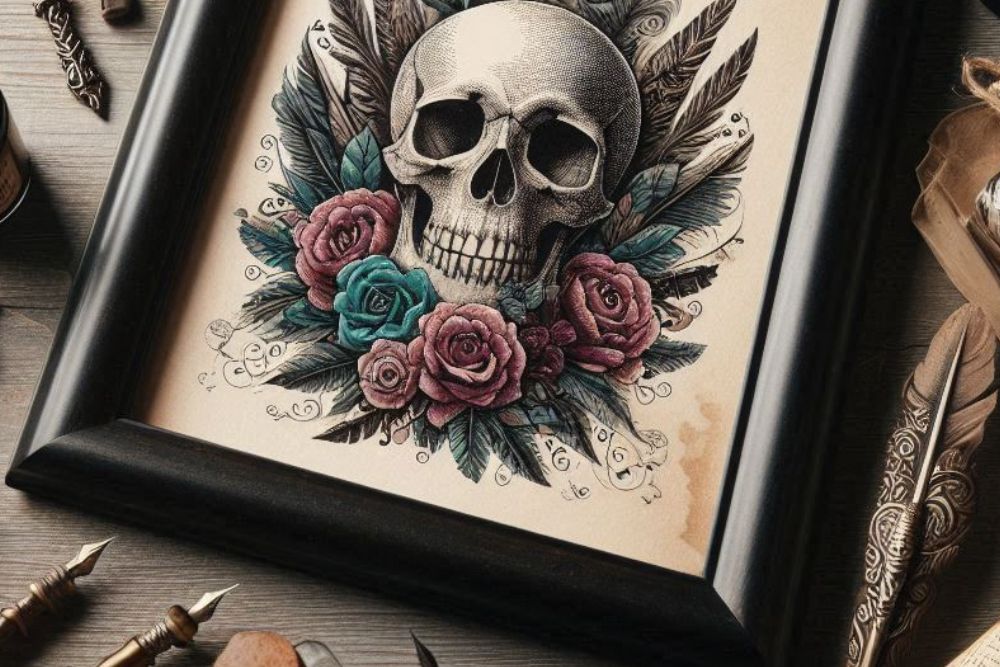
The only thing we need to fear is non-existence while still alive. In this context, Memento Mori reminds us to focus on the present, where we can live life to its fullest and avoid fixating on something beyond our control.
Instead of wasting energy on self-indulging or worrying about the unknown (what happens after death), it’s much better to redirect our energy toward other more meaningful things: how we live, the relationships we build, and the impact we make.
Are we living authentically – in accordance with what we truly hold dear, without being restrained by societal pressures?
Are we cherishing the time with our loved ones, and willing to resolve conflicts/ mend broken relationships?
Are we actively chasing our passions and doing our best to make a difference while we can?
The true master does not seek to run away from Death. He accepts that he must die, and understands that there are far, far worse things in the living world than dying.
J. K. Rowling
Read more: Immortality Projects – The Psychological Trap of Trying to “Live Forever”
Never forget that you must die; that death will come sooner than you expect.
John Furniss
If this was the last week of your life, what would you cherish most? How would you live? How would you love? What truth would you tell today?
Tony Robbins
One day you will wake up & there won’t be any more time to do the things you’ve always wanted. Do it now.
Paulo Coelho
Read more: Choosing Your Life – The Decision to Move From ‘Drifting’ to ‘Defining’
When you arise in the morning think of what a privilege it is to be alive, to think, to enjoy, to love…
Hodie Mihi, Cras Tibi.
(My turn today, yours tomorrow)
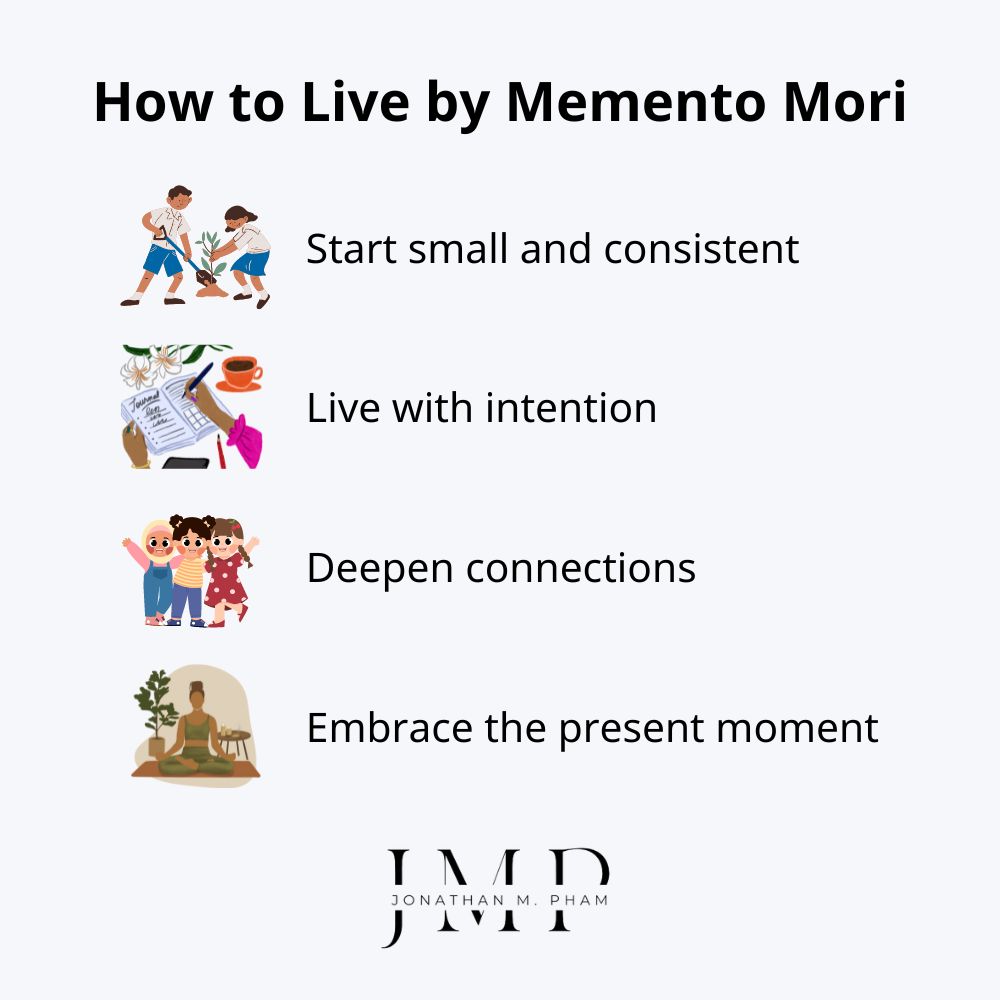
Viva la Vida (“Live the Life”)
The phrase’s enduring popularity may be attributed to several factors that touch on fundamental human experiences:
In essence, Memento Mori’s enduring appeal lies in its ability to confront us with a fundamental truth – that our time is finite. This stark reality, however, doesn’t breed despair. Instead, it gives us a reason to live more meaningfully, appreciate the present moment, and strive to leave a positive mark on the world before our inevitable departure.
Read more: Spiritual Purpose – The Quest for the Soul’s Calling
Is Memento Mori positive or negative? While it is certainly a powerful saying with a lot of potential for positive impact, like anything, we need to evaluate its opposite side too:
Upsides:
Potential downsides & misinterpretations:
Navigating the downsides:
“I wish it need not have happened in my time”.
“So do I, and so do all who live to see such times. But that is not for them to decide. All we have to decide is what to do with the time that is given us.”
J. R. R. Tolkien, Fellowship of the Ring
Please find the full list of quotes here.
My life is like a Memento Mori painting from European art: there is always a grinning skull at my side to remind me of the folly of human ambition.
Yann Martel
Live like there’s no tomorrow. Love like you’re on borrowed time. Always remember, it’s good to be alive.
Jason Gray
Begin doing what you want to do now. We are not living in eternity. We have only this moment, sparkling like a star in our hand – and melting like a snowflake.
Francis Bacon
Memento Mori – remember death! These are important words. If we kept in mind that we will soon inevitably die, our lives would be completely different.
Leo Tolstoy
The one who puts the finishing touches on their life each day is never short of time.
Seneca
Let each thing you would do, say, or intend be like that of a dying person.
Marcus Aurelius
Remember how fleeting is my life.
Psalms 89:47
These three little words… you’re gonna die. It’s the guiding light and the fire and ambition that drives me toward legacy and living my best life.
Gary Vaynerchuk
There is wonder all around us, but we are ephemeral.
Tim Ferriss
To practice death is to practice freedom. A man who has learned how to die has unlearned how to be a slave.
Michel de Montaigne

Since I first came across it, “Memento Mori” has become a constant mantra in my life. It whispers in my ear during free moments, a grounding force when doubt creeps into my mind, and a beacon of hope when I seem unable to find meaning in what I do. To me, knowing that my time is finite is not a burden – but a powerful motivator. It compels me to shed the inessential and focus on what truly matters.
While the concept might seem counterintuitive, I believe that only by accepting our mortality can we truly embrace life. So, what are you waiting for? Let this be your nudge to shed the distractions and truly start living. Because as Memento Mori reminds us, tomorrow is never guaranteed!
Remember you must die!
Other resources you might be interested in:

A long time ago, in a provincial town far, far away… There was a wealthy, cynical landowner named Fyodor Pavlovitch Kara [...]

Let us visit a fictional place: The Village of the Valley. Once upon a time, those who lived there were divided into two [...]
Has this ever happened to you? Let’s say you are suffering from a frustrating health issue, or stuck in a chaotic life d [...]