




0808
Personal Philosophy: What is Your Truth & Stance for Living?
A long time ago, in a provincial town far, far away… There was a wealthy, cynical landowner named Fyodor Pavlovitch Kara [...]
Explore thought-provoking healthy habits questions – designed to inspire better lifestyle choices and bring about a more fulfilling life!
In today’s fast-paced world, prioritizing our own well-being has become more crucial than ever. Yet, with so many demands on the plate, it can be really challenging to carve out time for self-care and make healthy lifestyle choices consistently. In the article below, you will find a list of healthy habits questions designed to spark self-reflection and guide you on your journey. From daily routines to mental and emotional well-being, each question offers an opportunity for us to delve deeper into various aspects of life that often escape our attention.
Highlights
Focus on everyday practices that can be easily integrated into each person’s daily schedule.
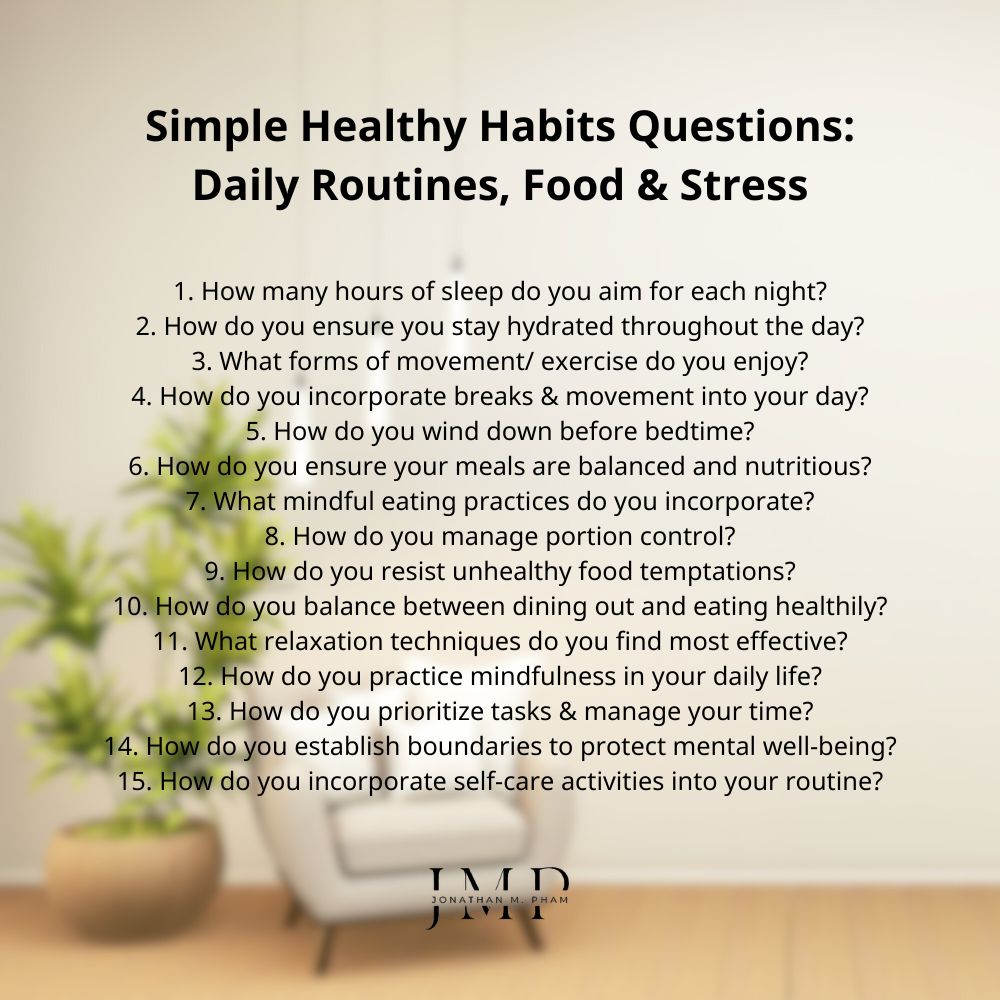
Quality sleep is essential for overall health and well-being. Strive for 7-9 hours per night to ensure your body and mind are adequately rested.
Proper hydration is crucial for optimal bodily functions. Carry a reusable water bottle and aim to drink at least 8 glasses (64 ounces) of water daily.
Regular physical activity boosts mood, improves sleep, and reduces the risk of chronic diseases. Find activities you love, whether it’s walking, dancing, or yoga.
Sitting for prolonged periods often results in negative health effects. As such, it is recommended that you set reminders to stand up, stretch, or take short walks throughout the day to boost productivity and energy levels.
Creating a bedtime routine signals to your body that it’s time to unwind. Consider activities such as reading, meditating, or gentle stretching to prepare for a restful sleep.
Read more: Learning to Love Yourself – 16 Handy Tips for Fostering Self-esteem Every Day
Aim for a colorful plate filled with fruits, vegetables, lean proteins, whole grains, and healthy fats to provide your body with essential vitamins and minerals.
Slow down, chew your food thoroughly, and pay attention to hunger and fullness cues. Mindful eating promotes better digestion and helps prevent overeating.
Use smaller plates, measure portions, and pay attention to serving sizes to maintain a healthy balance between enjoying your favorite foods and controlling calorie intake.
Keep nutritious snacks readily available, plan meals ahead of time, and practice mindful indulgence rather than strict deprivation to maintain a healthy relationship with food.
Scan menus in advance, choose restaurants with healthier options, and focus on enjoying the company rather than overindulging in high-calorie foods.

Healthy habits questions
Explore activities such as deep breathing exercises, meditation, progressive muscle relaxation, or spending time in nature to unwind and alleviate stress.
Incorporate mindfulness into routine activities like eating, walking, or even washing dishes. Focus on the present moment without judgment to cultivate inner calm and clarity.
Utilize to-do lists, prioritize tasks based on importance and urgency, and delegate when possible to reduce overwhelm and maintain a healthy work-life balance.
Learn to say no when necessary, communicate your needs assertively, and recognize when to step back from obligations or situations that drain your energy or cause stress.
Schedule regular “me time” for activities you enjoy, whether it’s reading, taking a bath, practicing hobbies, or simply unplugging from technology to recharge and relax.
Read more: 45 Mindfulness Questions for Adults – Daily Check-in Prompts for Better Clarity
Healthy habits questions for adults
Encourage self-awareness and responsible health management across various domains and topics.
Seek support from healthcare professionals, connect with others facing similar challenges, and focus on what you can control to enhance your quality of life despite the condition.
Incorporate habits such as regular exercise, balanced nutrition, stress management techniques, and adherence to prescribed treatments to optimize your health and well-being.
Educate yourself about your condition, prepare questions in advance, and assertively express your concerns, preferences, and goals to ensure you receive personalized and effective care.
Engage in self-compassion, cultivate a strong support network, and seek professional counseling or therapy if needed to address feelings of grief, frustration, or isolation effectively.
Stay updated on reliable medical information, join support groups, use health tracking apps, and maintain open communication with your healthcare team to actively participate in your care.
Be mindful of changes in mood, sleep patterns, appetite, or behavior. Reach out for help if you experience persistent feelings of sadness, worry, or difficulty coping with daily challenges.
Engage in activities that promote relaxation, self-expression, and connection, such as journaling, spending time with loved ones, practicing gratitude, or seeking therapy or counseling.
Share your experiences, educate others about mental health, challenge stereotypes and misconceptions, and offer support and empathy to those struggling with mental health issues.
Reach out to a therapist, counselor, or mental health professional for assessment, guidance, and treatment options tailored to your needs. Prioritize your mental health just as you would your physical health.
Treat yourself with kindness and understanding, acknowledge that everyone faces struggles, and challenge negative self-talk by focusing on your strengths and progress toward healing and growth.
Read more: 35 Emotional Intelligence Questions for Attaining Self-mastery
Prioritize regular check-ups, screenings, vaccinations, and healthy lifestyle choices to prevent illness, detect potential health issues early, and promote overall longevity and vitality.
Find activities you enjoy, set realistic goals, and vary your workouts to include cardiovascular exercise, strength training, flexibility, and balance exercises for overall fitness.
Explore options such as heat or cold therapy, gentle stretching, massage, over-the-counter pain relievers, or complementary therapies like acupuncture or physical therapy for relief.
Focus on consuming a variety of nutrient-dense foods, including fruits, vegetables, lean proteins, whole grains, and healthy fats, while limiting processed foods and added sugars.
Allow time for adequate sleep, incorporate rest days into your exercise routine, listen to your body’s signals, and practice relaxation techniques to promote physical and mental rejuvenation.
Healthy habits questions
Consult with your healthcare provider, keep track of your medical history, and utilize resources such as health websites or apps to stay up-to-date on preventative care guidelines and recommendations.
Educate yourself about the importance of early detection and prevention, address concerns with your healthcare provider, and consider the potential benefits and risks in making informed decisions about your health.
Ask questions, express your preferences and concerns, and actively participate in shared decision-making with your healthcare provider to tailor preventative care recommendations to your individual needs and preferences.
Share information about the importance of preventative care, offer support in scheduling appointments or finding resources, and lead by example by prioritizing your own health and well-being.
Research available resources, review your insurance policy for coverage details, and explore community clinics or programs that offer low-cost or free preventative services to minimize financial barriers to care.
Explore broader aspects of well-being beyond physical health.
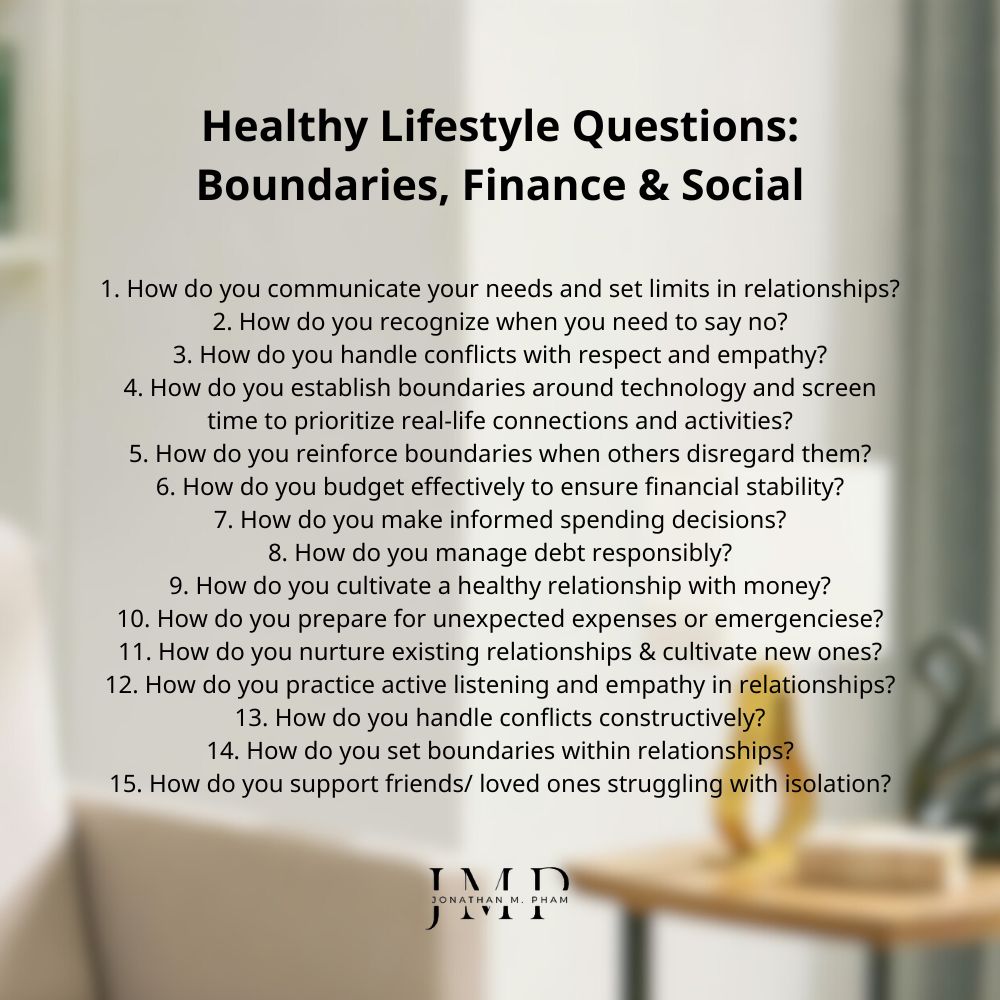
Practice assertive communication, set clear boundaries, and prioritize self-care to protect your mental, emotional, and physical well-being while fostering healthy and respectful relationships.
Listen to your body and emotions, assess your priorities and capacity, and honor your limits by declining requests or obligations that would exceed your available time, energy, or resources.
Use “I” statements to express your feelings and needs, actively listen to others’ perspectives, and collaborate on finding mutually beneficial solutions that honor the needs and boundaries of all parties involved.
Set designated times for device use, create tech-free zones in your home, and engage in activities that promote face-to-face interaction, creativity, and presence in the present moment.
Clearly communicate your boundaries, reinforce them consistently, and establish consequences or seek support from trusted individuals or professionals if others repeatedly violate your boundaries.
Healthy habits questions
Track your income and expenses, prioritize needs over wants, and allocate funds towards savings, debt repayment, and long-term financial goals to build a secure financial future.
Evaluate your priorities, identify fixed and discretionary expenses, and weigh the value and necessity of purchases against your financial goals and available resources before making spending decisions.
Develop a repayment plan, prioritize high-interest debts, explore consolidation or refinancing options, and adopt frugal habits to accelerate debt payoff and regain financial freedom.
Practice gratitude for what you have, focus on financial goals rather than comparing yourself to others, seek support from financial professionals or support groups, and develop positive money habits to reduce stress and build confidence in managing your finances.
Build an emergency fund, review insurance coverage, create a financial plan that includes savings for short-term and long-term goals, and explore additional income streams or side hustles to increase financial stability and flexibility.
Prioritize quality time with loved ones, reach out to friends or acquaintances to initiate conversations or activities, and participate in group activities or community events to expand your social network.
Focus on understanding others’ perspectives, validate their feelings, and offer support without judgment or trying to fix problems, fostering trust, intimacy, and mutual respect in your interactions.
Approach conflicts with openness and willingness to find resolution, communicate calmly and respectfully, and focus on understanding each other’s needs and finding mutually satisfactory solutions to strengthen the relationship.
Communicate your needs and limits clearly, assertively decline requests or invitations that don’t align with your priorities or values, and prioritize self-care to prevent burnout and resentment in your relationships.
Reach out regularly to check in, offer to spend time together or engage in activities they enjoy, and encourage them to seek professional help or community support if needed to overcome feelings of loneliness or isolation.
Read more: 180 Friendship Questions for Deeper Connections
Healthy habits questions
Spark deeper conversations and reflections on health topics.
Explore how cultural values, media representations, and societal expectations shape attitudes towards body image, mental health, healthcare-seeking behaviors, and lifestyle choices, fostering discussion on the importance of cultural competence and inclusivity in healthcare.
Discuss strategies to communicate complex health information effectively, empower us to critically evaluate health claims and sources, and address disparities in access to accurate health information across different populations, fostering a culture of lifelong learning and evidence-based practice in healthcare.
Examine the impact of social determinants of health on one’s ability to access resources, make healthy choices, and receive quality healthcare, sparking conversation on the importance of addressing structural inequalities and advocating for policies that promote health equity.
Reflect on the role of spirituality, religion, past traumas, and lived experiences in shaping one’s perceptions of health, coping mechanisms, and healthcare-seeking behaviors, fostering dialogue on the importance of culturally sensitive and patient-centered care in promoting holistic well-being.
Explore the potential of telemedicine, wearable devices, health apps, and artificial intelligence in enhancing access to care, promoting preventive health behaviors, and personalizing treatment approaches, sparking discussion on the opportunities and challenges of integrating technology into healthcare systems and practices.

Healthy habits quiz & questionnaire
Our daily habits play a crucial role in shaping the foundation for a balanced and fulfilling life. They empower us to manage our physical and mental well-being effectively, hence enabling us to thrive in different aspects of life.
A healthy habit isn’t just about the specific action itself, but rather a combination of factors that contribute to its overall positive impact on our well-being. Here are some key characteristics:
When it comes to healthy habits questions, some discussion topics you may want to explore include:
Diet and Nutrition:
Physical Activity and Exercise:
Mental health and well-being:
Preventative healthcare:
Building and maintaining healthy habits takes dedication and effort, but with the right approach, it should become a rewarding and sustainable part of your life:
Read more: Life Management – How to Design a Life You Love

Healthy habits questions
Whether you’re looking to improve your nutrition, manage stress more effectively, or enhance your overall quality of life, the healthy habits questions above should help inspire you to make positive changes for a healthier, happier you. So, take this list with you, and let it serve as a guide to encourage better lifestyle choices and empower you to live your best life possible!
Other resources you might be interested in:

A long time ago, in a provincial town far, far away… There was a wealthy, cynical landowner named Fyodor Pavlovitch Kara [...]

Let us visit a fictional place: The Village of the Valley. Once upon a time, those who lived there were divided into two [...]

Has this ever happened to you? Let’s say you are suffering from a frustrating health issue, or stuck in a chaotic life d [...]